
The Cinematic Curriculum Method
Build courses like worlds.
Teach like a director.
A complete system for designing education that changes people — using the language, structure and production logic of cinema.
Watch
A look inside

01 — The problem
Education forgot how to design for transformation.
Most courses are built like documents, not journeys. Structured like folders, not worlds. They present content competently and change nobody.
Every meaningful learning experience has a shape: confusion, curiosity, struggle, insight, integration. Education stopped designing for it. Cinema never did — it has spent a century getting strangers to sit in the dark and come out different.
The default course-design toolkit was never built to design a course — it schedules, documents, validates and measures one. Change the tool, change the course.

02 — The method
Cinema re-engineered as pedagogy.
What if your course was designed like a film? Not metaphorically. Literally. What if learners moved through your course the way audiences move through cinema — immersed, transformed, part of a narrative world?
Six pillars. Each one a working part of the method, not a metaphor.
- 01
Learners are protagonists
The learner is on a journey, the educator is directing it, and the curriculum is a narrative arc. Design for identity change, not information transfer.
- 02
Courses are worlds
Great films feel like places. Map your course as a geography — regions, landmarks, thresholds, paths. When learners know where they are, they move with confidence.
- 03
Pacing is pedagogy
Editors know that timing is meaning. Pace complexity, design emotional rhythm, structure rest and intensity deliberately. Learning fails when pacing fails.
- 04
Structure creates freedom
The most creative films are the most precisely structured. Act structure for programmes, sequence logic for modules, scene design for lessons. Frameworks that liberate.
- 05
Visual language is infrastructure
A complete diagram canon — arcs, maps, spirals, grids, compasses, timelines — each with defined meaning and consistent grammar. Cognitive architecture, not decoration.
- 06
Education can be franchised
People return to worlds they care about. Design sequels, spin-offs and return paths. Build an ecosystem, not one course at a time.
03 — Outcomes
What you’ll learn
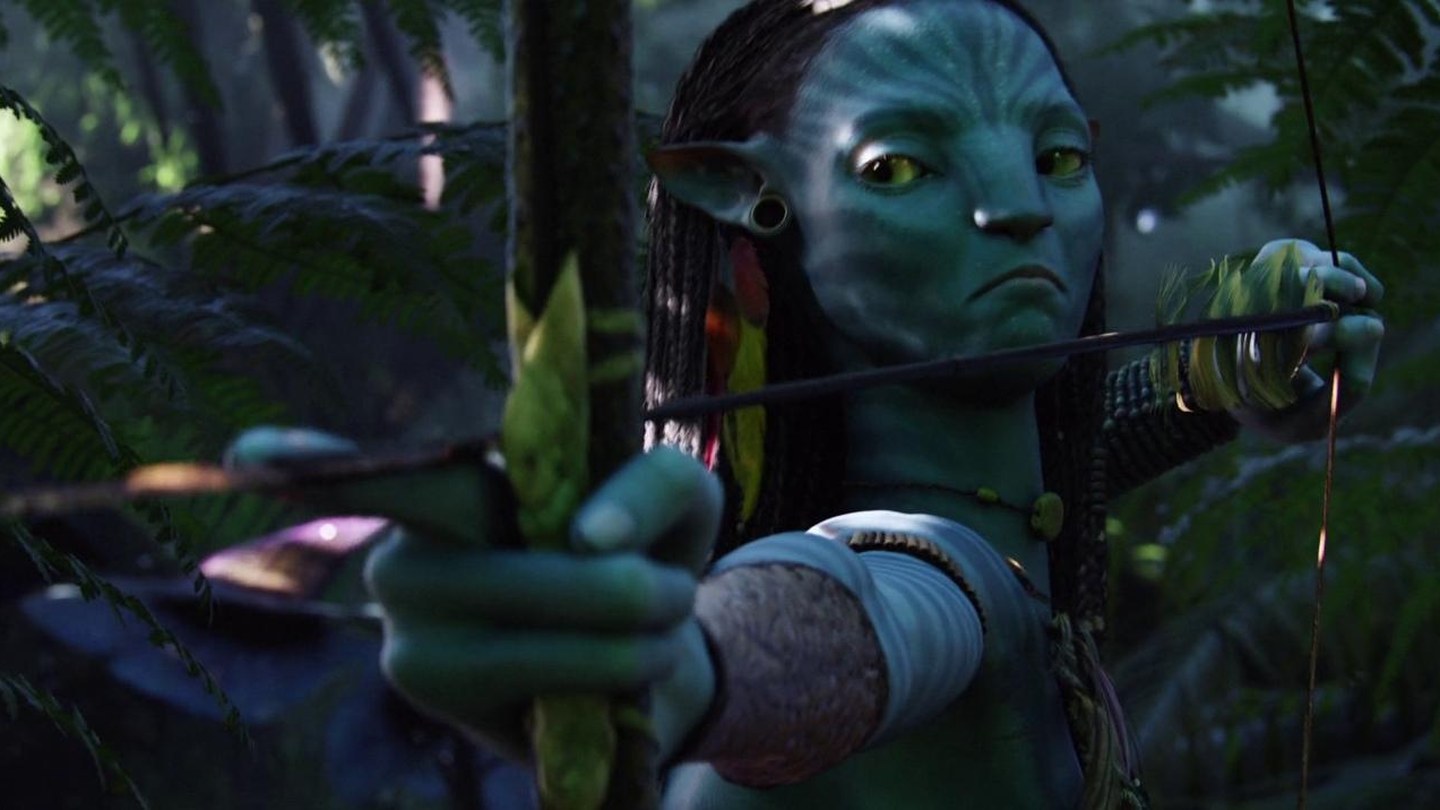 01
Director’s Vision & Course Audit
You’ll write your Director’s Vision Statement, a manifesto for your course, then audit your design against the Four Realms. It’s the beginning of your actual course redesign.
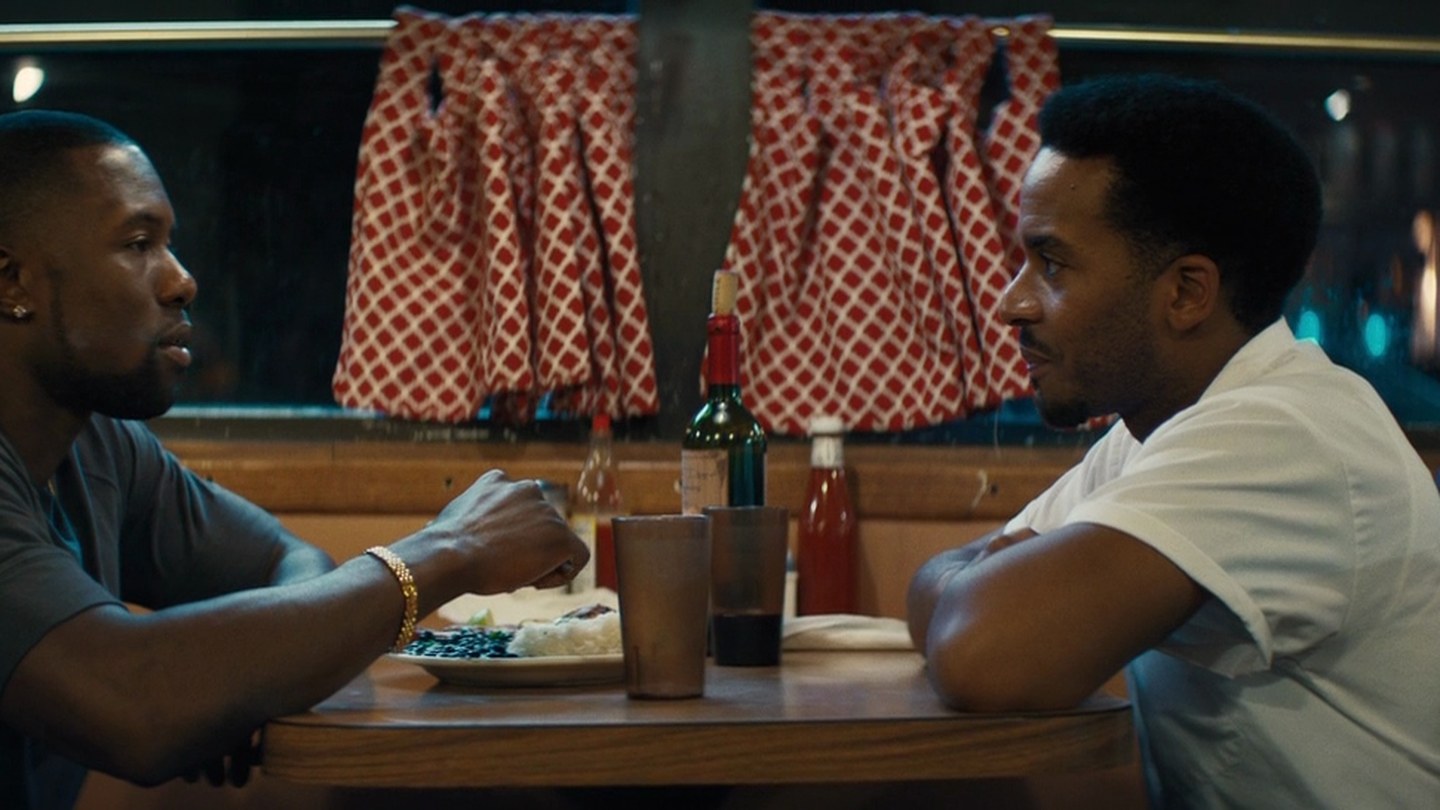 02
The Arc Forest
Your Learner Arc Draft (a 1-2 page narrative of your learner’s transformation), your Emotional Pacing Plan, and your Archetype Coverage.
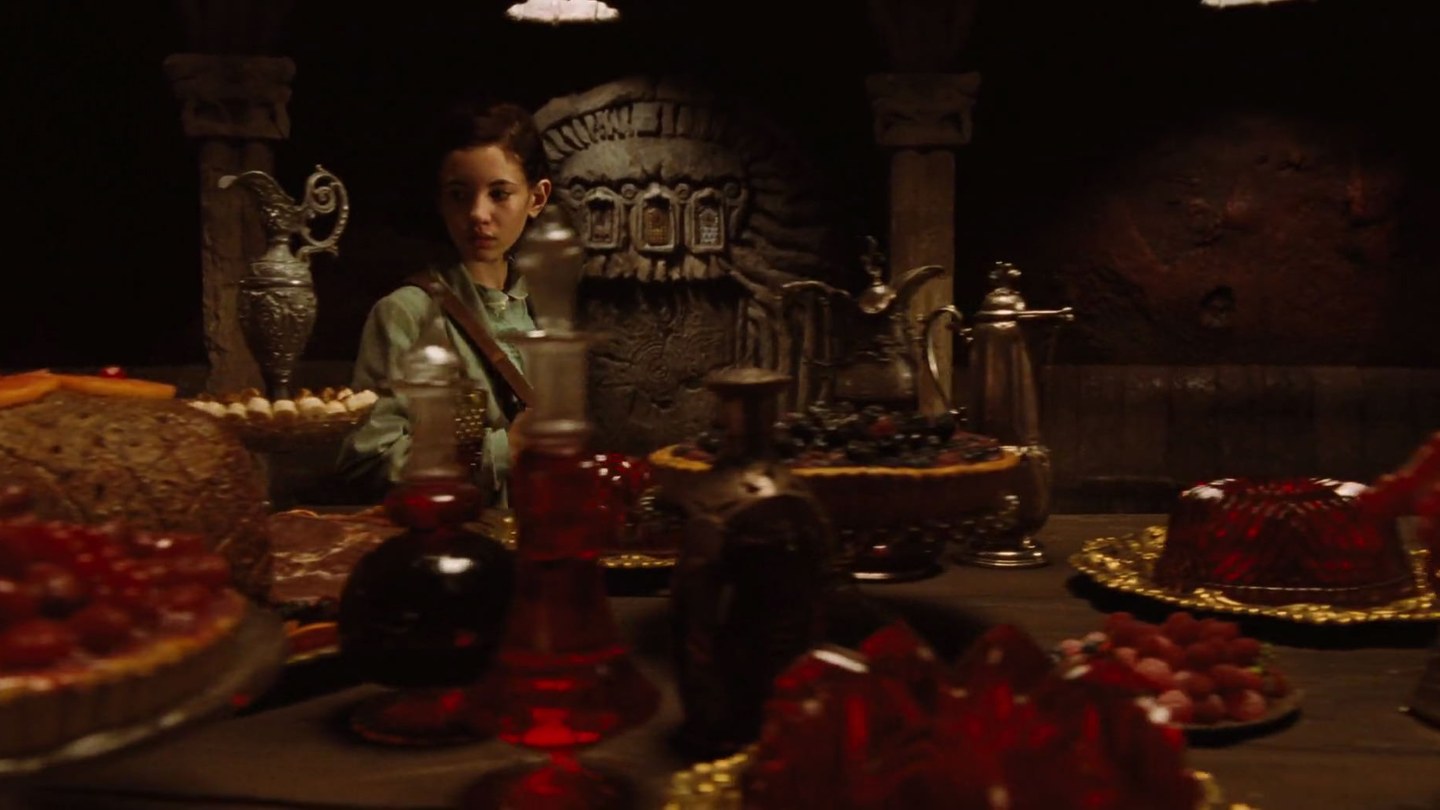 03
The World Map of Your Course
Its three layers (aesthetic, conceptual, emotional), its four geographic elements (regions, landmarks, paths, gates), the cast you’ve placed around the learner, and the set design that makes safety possible.
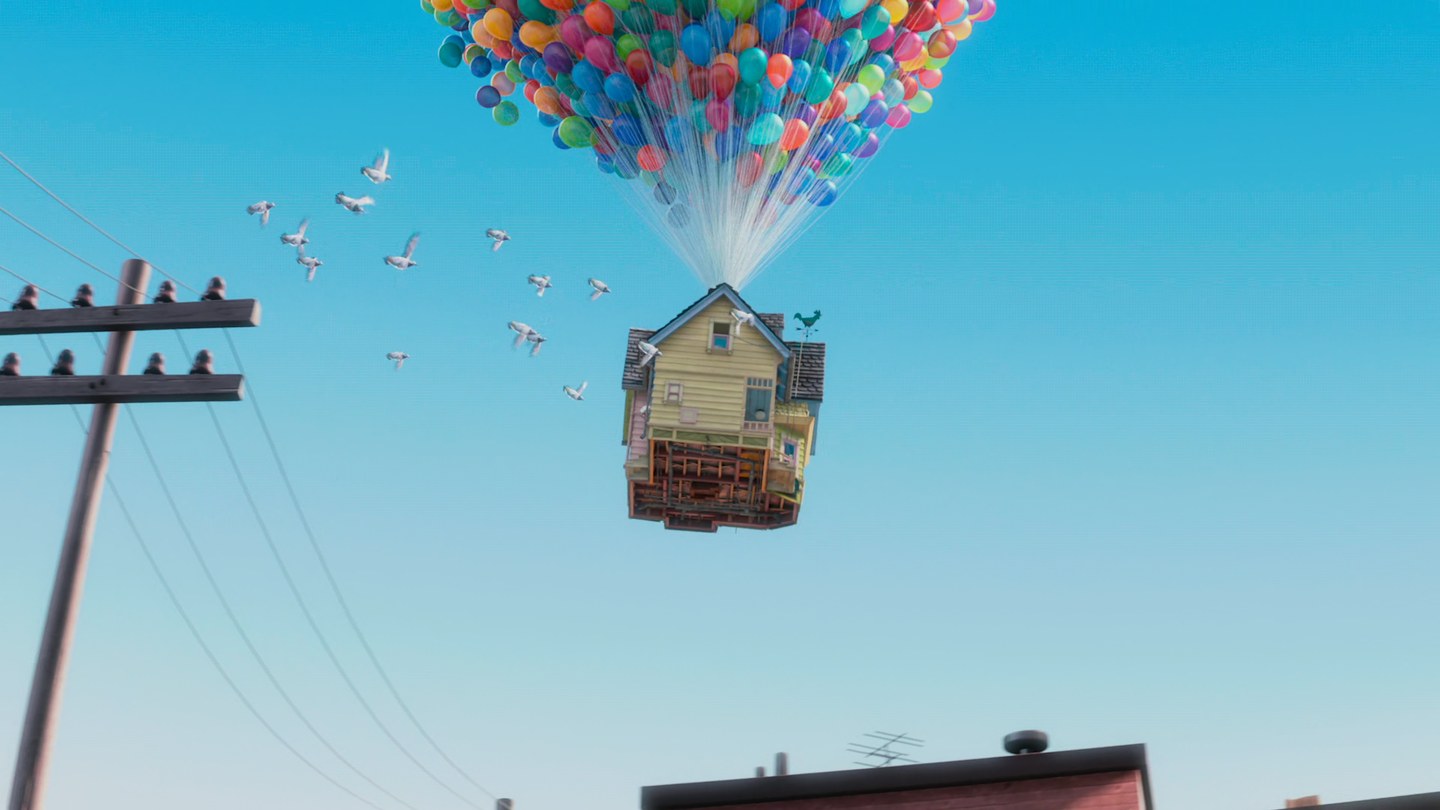 04
Story Spine & Integrated Design
Define your overall story arc, zoom into one critical sequence and design it backwards from its emotional arc, then verify coherence across Learner Arc, World Map and Story Spine.
 05
The Pacing Grid & Module Audit
Put all three layers of pacing on one real module: score the current Pacing Grid, redesign it against the Five Laws, design one Learning Pulse, then compare before and after.
 06
The Scene-to-Sequence Map
Lay every scene of one of your modules on the editor’s table, as cards, and arrange them by the rhythm that lands, not the order events appear in the curriculum.
 07
The Edit Plan
Launch Readiness, Feedback Architecture, the Six-Pass Edit Plan and the Director’s Verdict for the next twelve months, in one operational document.
 08
A Complete Assessment System
A complete Assessment Blueprint for one course you teach: the Competence Mountain, the Mastery Spiral and Evidence Flow, the Ordeal Design, and the Transformation Narrative.
 09
Integration Map & Course Story
A visual Integration Map of your course, a 500–750-word Course Story written in three acts, and a five-question Integration Analysis.
 10
Your Capstone Assessment
Design the artifact that proves identity transformation: the Capstone Description, the Mastery Criteria, the Multiple Forms of Evidence, the Final Arc Timeline and the Transformation Evidence.
 11
Your Return Path Plan
The document that names what your learner walks back into, what they carry with them, where they reach for it, and how the cohort epilogue arc holds the change in place.
 12
Your Cinematic Course Bible
The document the next version of your course will be built from: Vision & Purpose, Design Architecture, All Course Materials, Production & Operations, Systems & Processes, Data & Feedback.
04 — Curriculum
Inside the course
05 — Who it is for
For everyone who feels something is off about education.
- Educators who want their teaching to change people, not just transfer information.
- Course creators tired of producing lifeless content and ready to build something that lands.
- Instructional designers frustrated by sterile frameworks and looking for one with both rigour and soul.
- Programme leaders redesigning degrees or curricula and wanting coherence rather than compliance.
- Creative professionals moving into education who want to bring the craft with them instead of leaving it at the door.
“My course works, but it doesn’t land. Students finish the material and don’t change. There has to be a better way to structure this.” If that sounds familiar, this was written for you.
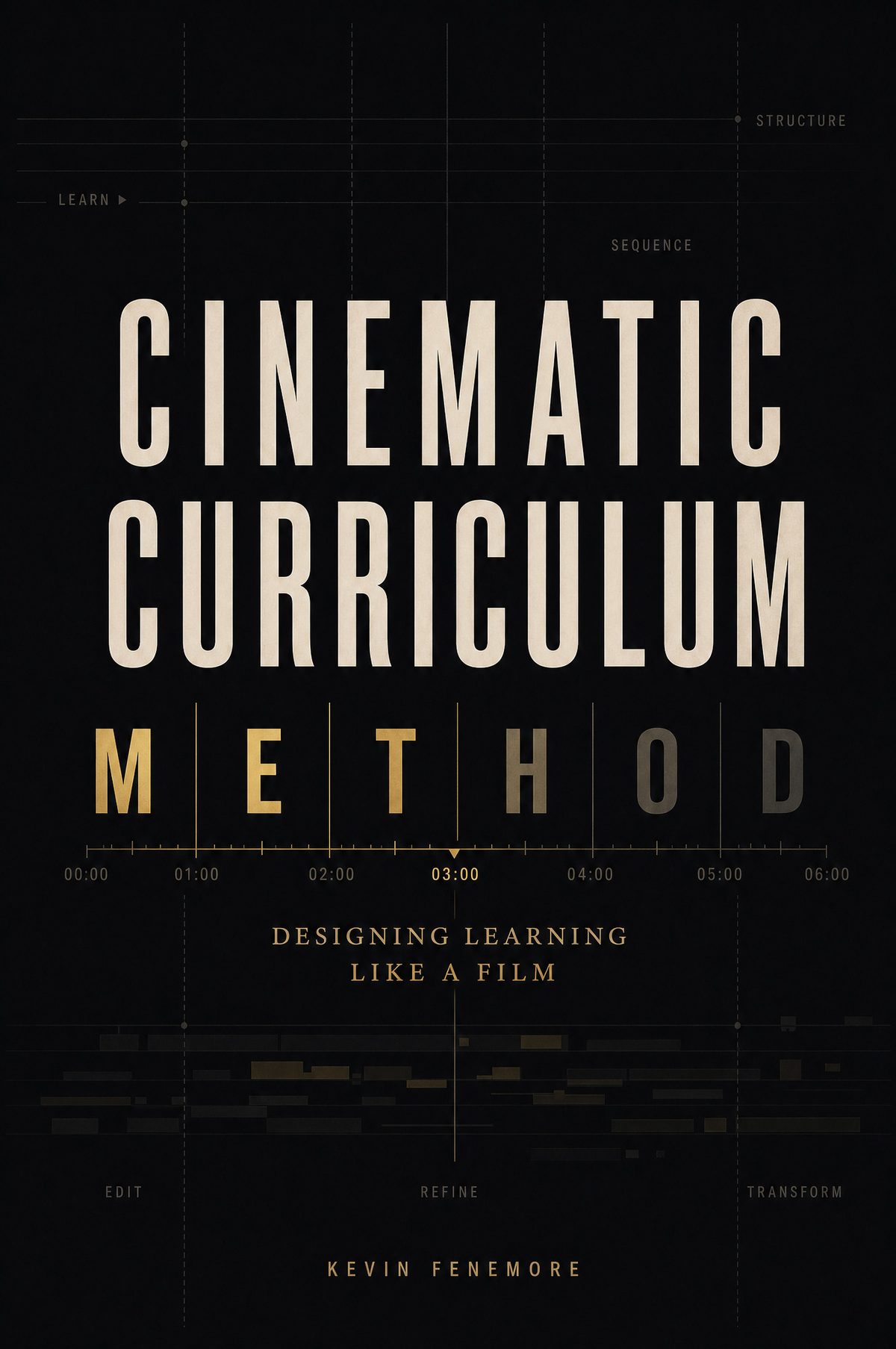
The book
The Cinematic Curriculum Method
The complete methodology in print — from director’s vision to learner transformation. The visual diagram canon, act structures, sequence logic, scene design, worldbuilding templates, case studies and failure modes.
The book is the source text. The course turns the method into a curriculum you actually build.
What you get for the founder price: the full thirteen-module course and the Cinematic Curriculum Method book.
06 — Your instructor
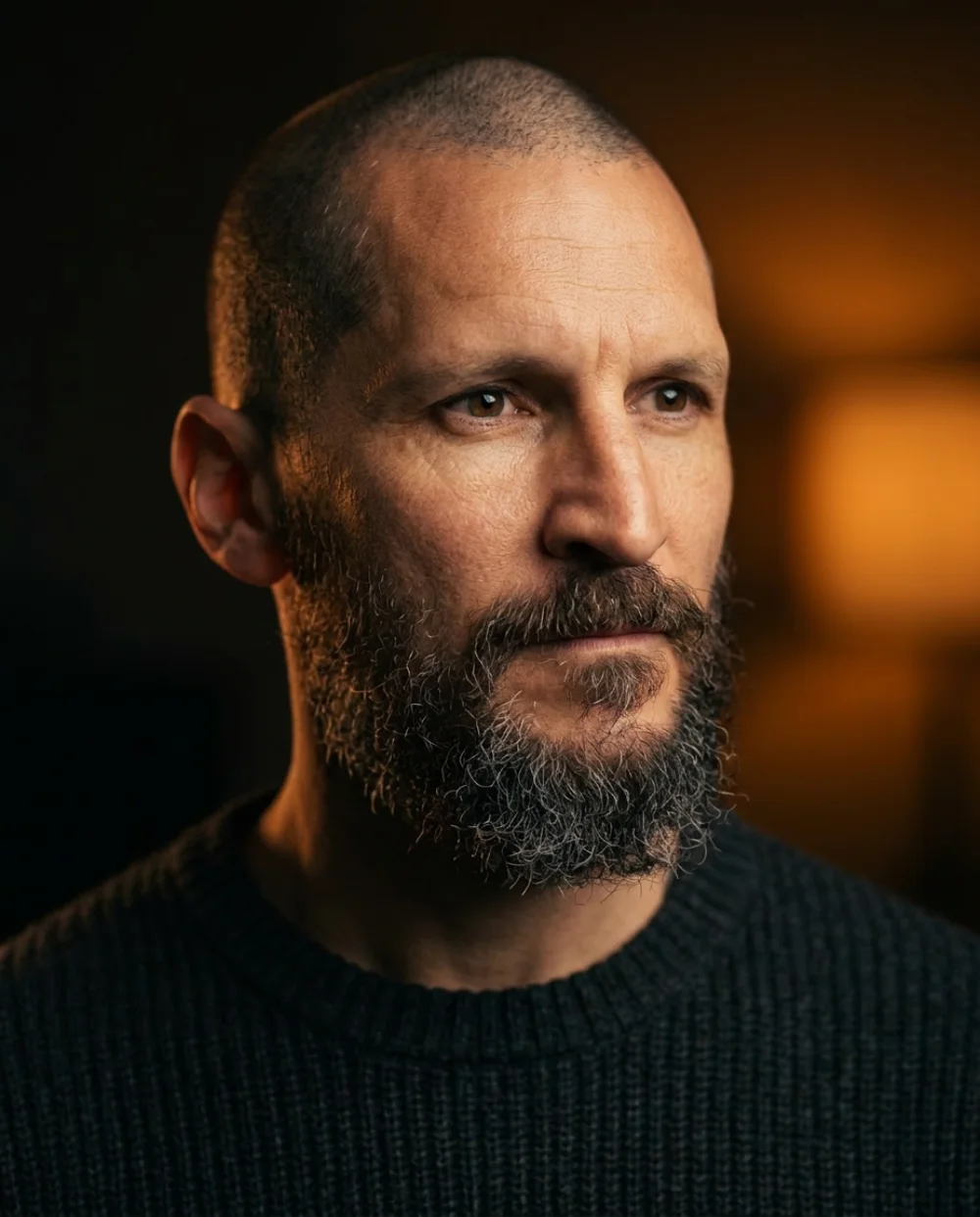
Kevin Fenemore
Kevin Fenemore is a filmmaker by training and spent fifteen years inside higher education — Course Leader, Programme Leader, and Dean of Faculty in São Paulo. He designed four undergraduate degree programmes from scratch and hundreds of courses across FE, HE, CPD and industry, while working professionally in film, visual effects, animation and photography.
He left school at fifteen with no qualifications and went to university in his mid-twenties as a mature student. The teaching came first: at eighteen he was teaching rock climbing, kayaking and English to Spanish children.
Senior Lecturer and Course Leader, Leeds Arts University · Programme Leader and Academic Director, University of Bradford · Dean of Faculty, EBAC São Paulo. He co-created the UK’s first BSc in Virtual and Augmented Reality, and also built Fix It In Post, a national education-industry festival, and the Pipeline Pedagogy framework, developed in São Paulo.
This is not theory written at arm’s length. It is the method he used on programmes that had to be validated, audited and defended.
Enrol
Start today
Free
- Thirteen modules, thirty-eight lessons and twelve capstones
- The lessons, their workbooks and their interactive material, through your account on this site
- An AI tutor and AI feedback on your work
- The Cinematic Curriculum Method Toolkit: all 39 tools
- The Cinematic Curriculum Method book
- Self-paced, with no cohort to keep up with
- Course access with no end date
- One payment, no subscription, no renewal
Already have an account? Sign in and start
Fair use This course includes 3 feedback evaluations for each workbook, 3 feedback requests for each lesson that offers it, up to 100 tutor questions, 1 written review of your course and of each module and 3 AI-marked submissions of each quiz. That's fair use: it keeps AI feedback affordable for everyone on the course.
One payment · no subscription · the Cinematic Curriculum Method book included · by ordering you accept our Terms of Sale
Questions
Before you ask
What is the Cinematic Curriculum Method?
A complete system for designing courses using the structural logic of film — act structure, sequence, scene, pacing and worldbuilding — applied to curriculum.
What is actually in it?
Thirteen modules, thirty-eight lessons and twelve capstones. The lessons teach the method; the capstones make you apply it to your own course, one piece at a time, until the course is built. You get the lessons, their workbooks and their interactive material through your account on this site, with an AI tutor and AI feedback on your work. These are teaching aids. The course also includes the Cinematic Curriculum Method Toolkit: all 39 tools, worked through inside your account.
Who is it for?
Educators, course creators, instructional designers and programme leaders who can already write content and cannot work out why the finished thing does not land. It assumes you have something to build.
Do I need a film background?
No. The method borrows filmmaking's structural thinking, not its equipment. Everything cinematic is explained from first principles as it is introduced.
How long does it take?
It is self-paced and there is no cohort to keep up with. The capstones are the work; how fast you move through them depends on the course you are building.
What do I get for the founder price?
The full thirteen-module course and the Cinematic Curriculum Method book. Presale £150 until 1 Dec 2026; Founder price £199 to 1 Jan 2027; Second wave £229 to 28 Mar 2027 (Easter Sunday); Final wave £259 to 1 Jun 2027; from then the course is £300.
Is it one payment?
Yes. One payment, no subscription, no renewal.
How do I get access after I buy?
Your purchase is tied to the email address you check out with, and the course opens in your account. Sign in at any time from the link in the site header.
Do I own what I buy?
What you buy is licensed to you, not sold, for your own learning and your own professional practice. Course access has no end date; we will give you at least 90 days’ notice, by email, if a course is ever to be withdrawn. There is no marketplace between us, and nothing needs renewing.
What currency are prices in?
Pounds sterling. The price you see is the price charged.
Something isn’t working.
Write to hello@cognitionblueprint.com from the address you bought with, and say what you were trying to open and what happened instead.
Ready when you are
The Cinematic Curriculum Method
A complete system for designing education that changes people — using the language, structure and production logic of cinema.
Enrol at the founders’ price — Free
One payment · no subscription · the Cinematic Curriculum Method book included · by ordering you accept our Terms of Sale